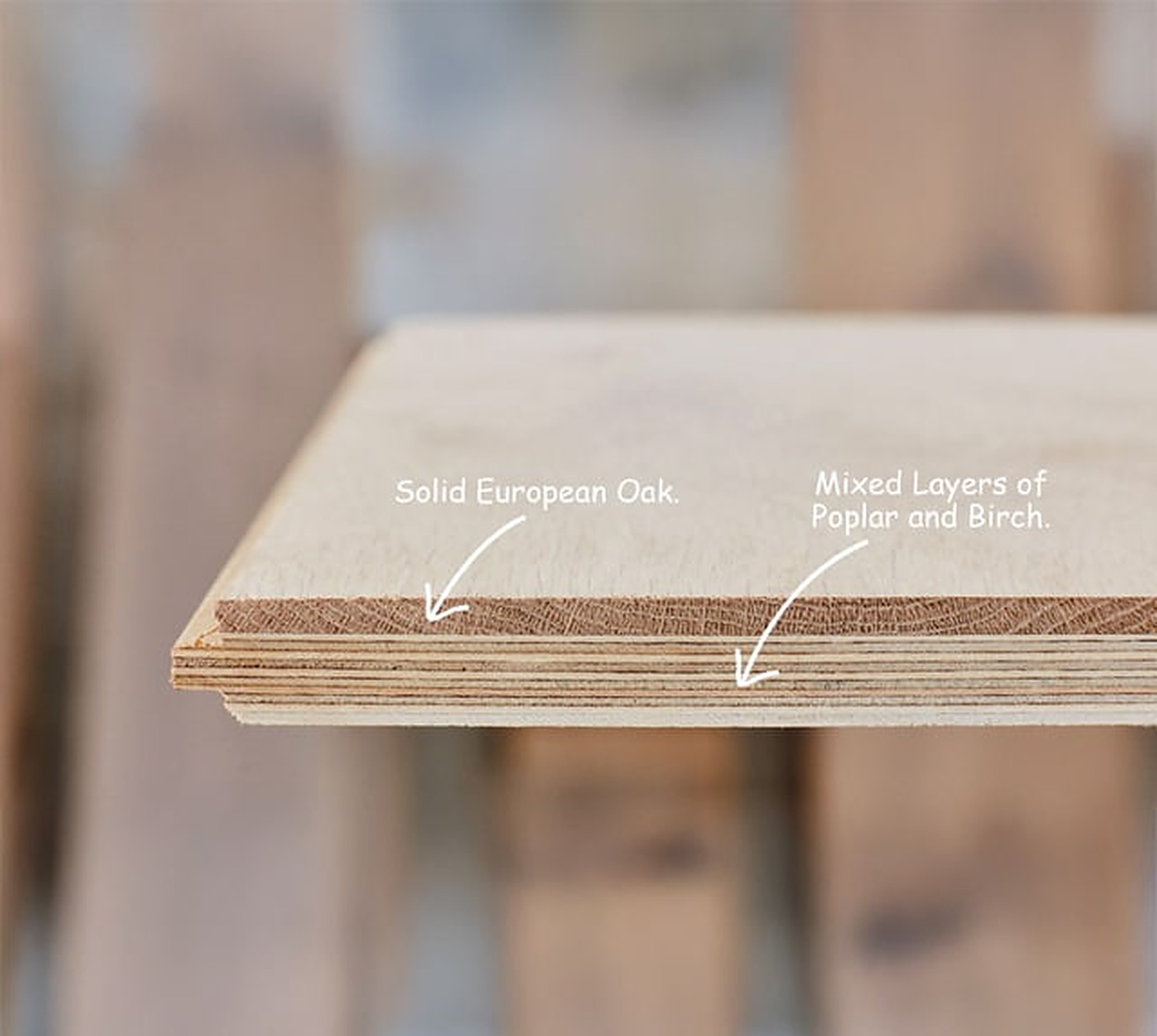
Engineered wood flooring has become a popular choice for homeowners and commercial spaces alike due to its durability, versatility, and aesthetic appeal. One crucial factor to consider when selecting engineered wood flooring is its thickness. The optimal thickness depends on varying factors, including how it will be used, the subfloor condition along with the desired lifespan of the wood flooring.
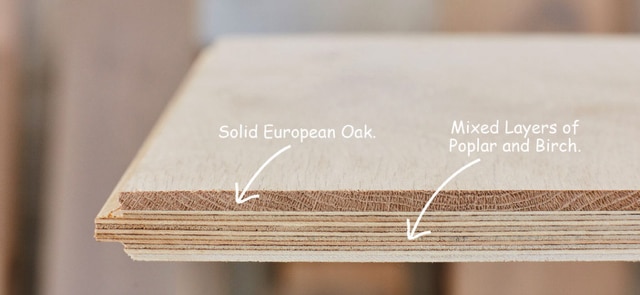
The Importance of Engineered Wood Flooring Thickness
The thickness of engineered oak wood flooring primarily impacts its stability, durability, and refinishing potential. A thicker wooden floor generally offers greater stability and can be sanded and refinished multiple times. This will extend its lifespan. However, thicker oak flooring may also be more expensive and require a higher skill when being installed.
Common Engineered Wood Flooring Thicknesses
- 3/8 inch (9.5mm): This is the thinnest and most common option. Suitable for areas with light foot traffic and where cost is a primary concern. It is generally not recommended for high-traffic areas or rooms that experience heavy use.
- 1/2 inch (12mm): A popular wood thickness for residential settings which offers a balance of stability, durability, and cost-effectiveness. This wood thickness is suitable for most rooms in the home, including living rooms, bedrooms, and dining areas.
- 5/8 inch (15mm): This thicker oak wood option, provides for superior stability and durability, making it ideal for high-traffic areas, commercial spaces, and homes with pets. It also allows for multiple refinishing, extending the wooden flooring’s lifespan.
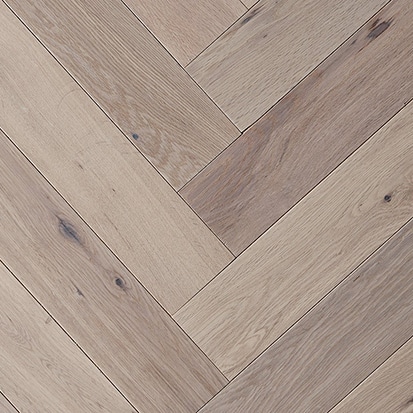

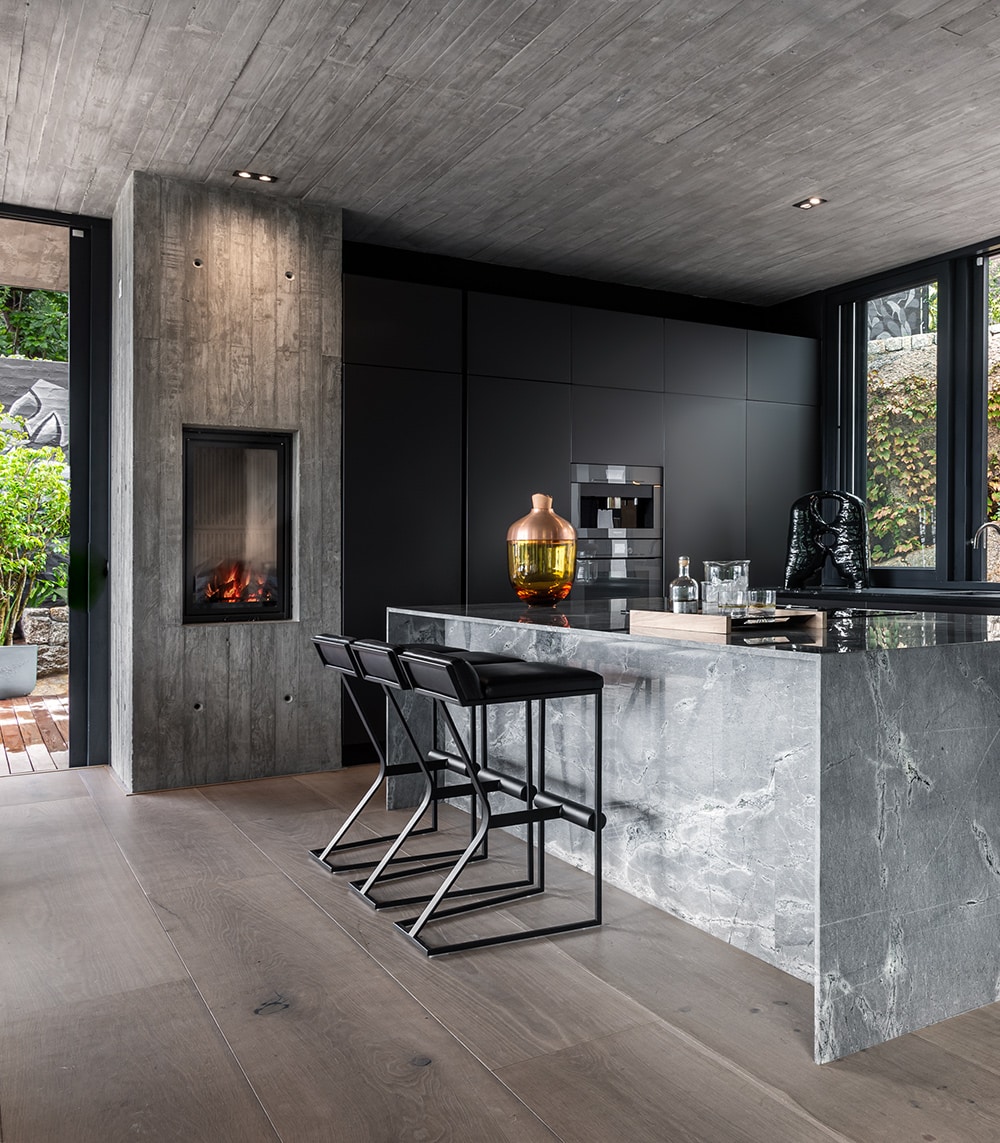
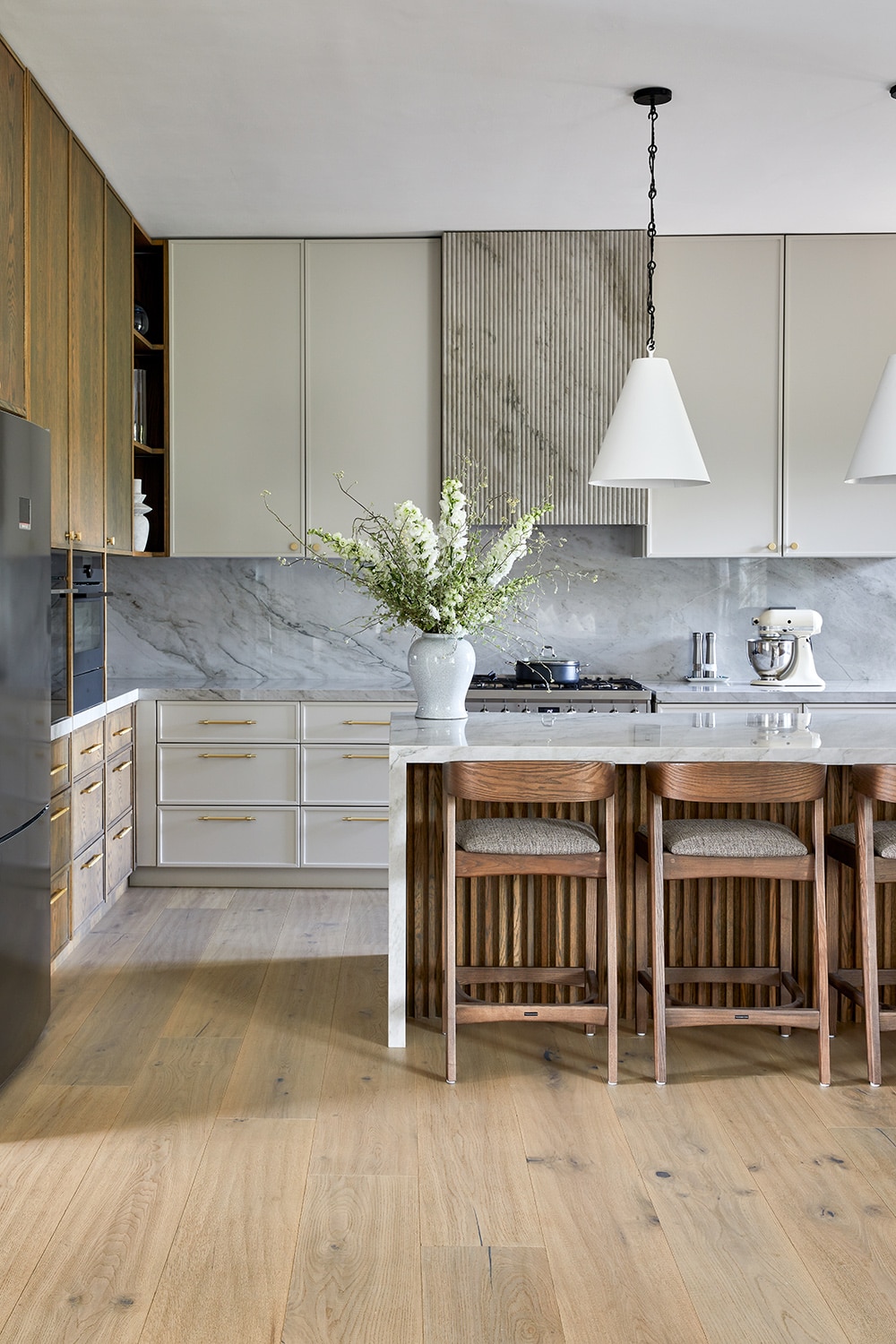
Factors to Consider When Choosing Engineered Wood Flooring Thickness
- Intended Use: High-traffic areas require thicker wood flooring for durability, whilst a thinner wooden floor option is suitable for bedrooms or home offices.
- Subfloor Condition: If the subfloor is uneven or unstable, a thicker oak floor will assist with compensating for imperfections.
- Installation Method: Some wooden floor installation methods, such as floating or glue-down, may have thickness limitations.
- Refinishing Plans: If you plan to refinish the oak flooring in the future, a thicker wear layer is essential.
- Underfloor Heating: Thinner wood flooring is generally preferred for underfloor heating systems as it allows for better distribution of heat.
Additional Considerations for Choosing Engineered Wood Flooring
Beyond thickness of the wood floor boards, several other factors influence the quality and performance of engineered wood flooring:
- Wear Layer Thickness: The top layer, or wear layer, determines the oak flooring’s durability and refinishing potential. A thicker wear layer is more resistant to scratches and dents.
- Wood Species: Different wood species offer varying levels of hardness and durability. Oggie Oak, for example, is known for its strength and resistance to wear.
- Construction Quality: The quality of the core layers and the bonding process significantly impact the oak flooring’s stability and overall performance.
- Finish: The type of finish, whether it’s oil, wax, or polyurethane, affects the oak flooring’s appearance and maintenance requirements.
By carefully considering these factors and selecting the appropriate thickness, you can choose engineered wood flooring that perfectly suits your needs and enhances the beauty of your home or commercial space.
For almost two decades Oggie have inspired the best of Africa’s architects and designers, with a broad range of wide-plank oak floors and wall cladding that is handcrafted to their specific design needs.
When you buy Oggie products you can rest assured that they come from sustainable forests, thus protecting the needs of future generations.